Understanding the Total Cost of Ownership
Starting a trucking business in 2024 requires a realistic understanding of the substantial financial commitment involved. The total cost of ownership extends far beyond the initial purchase price of the tractor-trailer, encompassing ongoing operational expenses and potential risks. Are you prepared for the financial realities of the road? Let's break down the key cost components to help you build a profitable business. For a deeper dive into specific costs, check out this helpful resource: Tractor Trailer Costs.
Initial Investment: Purchasing or Leasing Your Rig
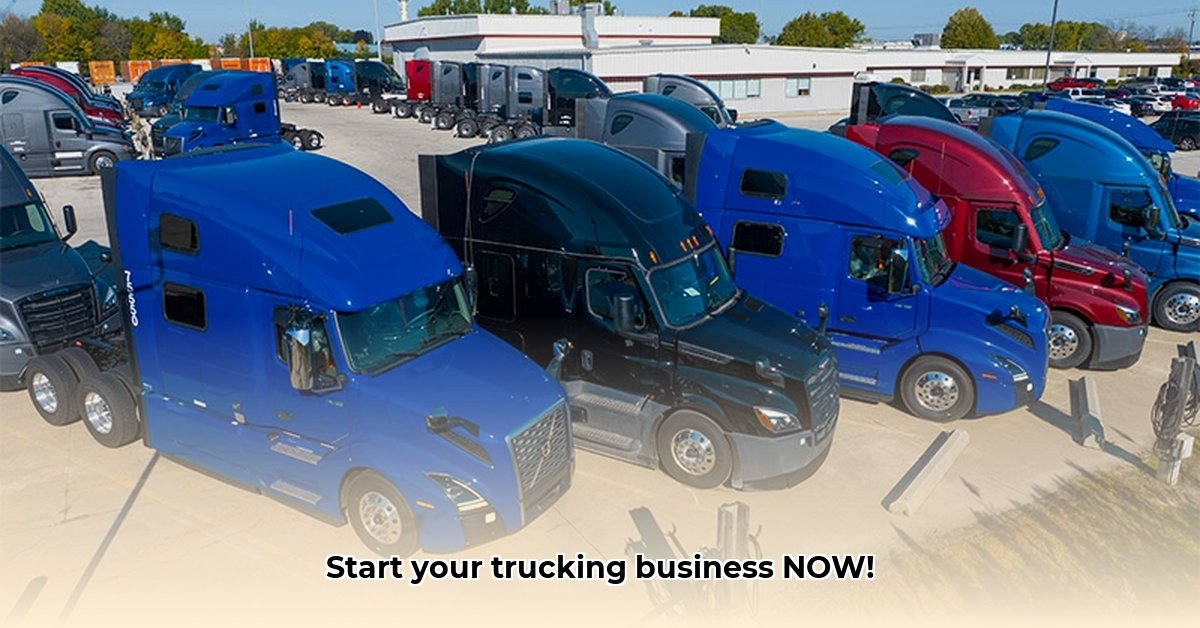
The initial investment represents a significant hurdle. The cost of a new tractor-trailer ranges from $75,000 to over $180,000, depending on the make, model, features, and level of customization. Used trucks offer a lower upfront cost, typically ranging from $40,000 to $120,000, but may require more frequent and costly repairs. This initial outlay is a crucial element of your financial planning.
Leasing vs. Buying: A Cost Comparison
The decision to lease or buy heavily impacts your cash flow and long-term financial strategy.
| Feature | Leasing | Purchasing |
|---|---|---|
| Upfront Cost | Lower; Easier to get started | Much higher; Requires substantial capital |
| Monthly Payments | Consistent, predictable payments | No monthly payments, but a significant initial investment |
| Ownership | No ownership at lease end | You own the truck and can sell it later |
| Flexibility | Easier to upgrade to a newer model | Less flexible; requires selling your current truck to upgrade |
Carefully assess your financial situation and business goals before making this critical decision. Consult with financial advisors to determine the most suitable option.
Ongoing Operational Costs: A Yearly Breakdown
Annual operating costs for a tractor-trailer can easily exceed $180,000. Consistent monitoring and cost control are vital for profitability. Key cost components include:
- Fuel: Fuel costs represent a substantial portion of your expenses, potentially exceeding $70,000 annually. Fuel prices fluctuate, demanding careful budgeting and potential hedging strategies. How can you minimize fuel consumption while maximizing your route efficiency?
- Driver Salaries: Driver compensation constitutes a significant portion of your operational costs, typically around 26%. The current driver shortage necessitates competitive wages to attract and retain qualified personnel.
- Maintenance & Repairs: Allocate approximately $15,000 annually for routine maintenance (oil changes, tire rotations) and unexpected repairs. Preventative maintenance is crucial in mitigating costly breakdowns and maximizing your truck's lifespan and efficiency. Is your maintenance schedule optimized for maximum vehicle uptime?
- Insurance: Truck insurance is mandatory, protecting your investment and covering liability. Shop around for competitive rates and ensure you have adequate coverage.
- Permits, Licenses & Tolls: Various permits, licenses, and tolls contribute to operational costs. Factor these expenses into your budget planning.
Optimizing Costs and Maximizing Profitability
To ensure long-term success, implement these strategies:
- Thorough Research: Before purchasing, research different models, prioritizing fuel efficiency and features aligned with your operational needs.
- Strategic Financing: Secure favorable financing terms by comparing rates from multiple lenders.
- Route Optimization Software: Utilize this technology to minimize fuel consumption and optimize delivery routes.
- Preventative Maintenance: Adhere to a strict preventative maintenance schedule to avoid costly repairs.
- Driver Retention: Invest in driver retention through fair compensation and positive work environment.
- Freight Factoring: Explore strategic partnerships with freight factoring companies to improve cash flow management
Navigating Industry Risks: A Proactive Approach
The trucking industry faces evolving challenges. Proactive risk management is paramount for long-term success.
Risk Assessment & Mitigation:
| Risk Category | Probability | Impact | Mitigation Strategy |
|---|---|---|---|
| Fuel Price Volatility | High | High | Fuel hedging, efficient routes, alternative fuels research |
| Driver Shortages | High | High | Competitive pay, benefits, employee retention programs |
| Vehicle Repairs | Medium | Medium | Preventative maintenance, reliable repair shops, service contracts |
| Regulatory Changes | Medium | Medium | Ongoing compliance monitoring, proactive adaptation |
| Economic Downturns | Low | High | Diversified revenue streams, robust financial reserves |
By understanding and addressing these crucial cost factors, you can embark on your trucking business journey with a solid foundation for success. Remember that meticulous planning, diligent monitoring, and pro-active risk management are essential for sustained profitability in the dynamic landscape of the trucking industry.